
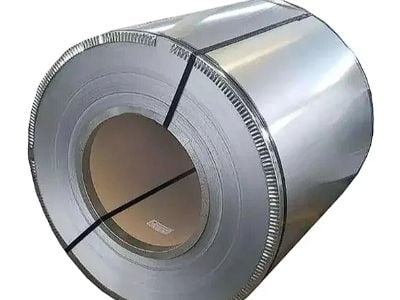
GI steel sheets, also known as galvanized iron sheets, are widely used in construction. They are strong and durable, making them perfect for building structures like homes, factories, and bridges. ROGO is a company that focuses on making high-quality GI steel sheets. When we talk about load-bearing behavior, we mean how well these sheets can support weight without bending or breaking. This is really important for safety and stability in buildings. GI steel sheets are treated with a special coating that helps them resist rust and wear. This means they can last a long time, even in tough weather. Knowing how to use them correctly can lead to safer and stronger buildings.
What Are the Load-Bearing Advantages of GI Steel Sheets in Construction?
GI steel sheets are known for their great strength. They can hold a lot of weight without getting damaged. Imagine building a roof or a wall; using GI steel sheets makes the structure very solid. This is especially important in places where heavy snow or strong winds may occur. For instance, in snowy areas, roofs need to be strong enough to hold the weight of the snow. GI steel sheets ensure that the roofs don’t collapse under pressure. Another advantage is their lightweight nature. They are easier to handle than many other materials. This means workers can move them around easily and install them faster. Faster installation saves time and money on construction projects. ROGO's GI steel sheets also have a coating that protects them from rust. Rust can weaken a material over time, but with GI steel sheets, this is less of a concern. Plus, these sheets are also fire-resistant, which adds another layer of safety. In addition to all that, GI steel sheets can be cut and shaped to fit different designs. This flexibility allows architects to create beautiful and unique buildings. Steel Coil can be used in both small homes and big skyscrapers, making them very versatile. All these features mean that using GI steel sheets can lead to more durable and reliable buildings. Builders and architects love them for these reasons, and that’s why ROGO focuses on making the best GI steel sheets in the market.
How to Choose the Right GI Steel Sheet for Maximum Load-Bearing Capacity
Picking the right GI steel sheet is super important for making strong buildings. First, you need to think about the thickness of the sheet. Thicker sheets can bear more weight. If you’re building something that needs to hold a lot of weight, like a roof, you should use thicker sheets. ROGO offers various thicknesses, so it’s easy to find what you need. Next, consider the size of the sheet. Larger sheets cover more area and can be more effective in certain designs. It’s also essential to look at the coating. A good coating protects against rust and keeps the sheet safe from damage. ROGO’s special coating helps our sheets last longer. Also, think about what kind of structure you are building. Residential buildings may not need as much strength as industrial buildings. For example, a warehouse might need heavier-duty sheets because it stores heavy goods. Always consult with a professional to find the best option for your project. Aluminum Coil can help you understand the load-bearing requirements based on local building codes and safety standards. It’s also wise to consider the cost. While you want a strong sheet, you also need to stay within your budget. ROGO provides high-quality sheets at competitive prices, ensuring you get the best value for your money. In the end, the right choice of GI steel sheet can make a big difference in the safety and durability of your building. The process may seem complex, but with the right guidance, it can be straightforward and beneficial for your construction project.
Where to Find High-Quality GI Steel Sheets for Structural Applications
When it comes to building things like bridges, buildings, or even fences, choosing the right materials is very important. One of the best materials for these types of structures is GI steel sheets. GI stands for Galvanized Iron, which means the steel has a special coating to protect it from rust and damage. If you are looking for high-quality GI steel sheets for your projects, you can find them at places like ROGO. ROGO is a company that specializes in selling strong and reliable materials for construction. They have a wide range of GI steel sheets that come in different sizes and thicknesses. This means you can choose the perfect sheet for your specific needs. You can visit ROGO’s website or their physical store to see the options available. The staff at ROGO are very helpful and can guide you in picking the right type of GI steel sheet for your project. They can also explain the benefits of using GI steel, including its strength and durability. It’s important to make sure you are buying from a reputable source like ROGO because that way, you can be sure you’re getting high-quality materials that will last a long time. Remember, using good materials is key to ensuring your structure is safe and strong. So, always check out ROGO when you need GI steel sheets for your construction projects.
Common Load-Bearing Issues with GI Steel Sheets and How to Address Them
Even though GI steel sheets are strong, they can have some problems when it comes to holding weight. These issues are called load-bearing problems. One common problem is when the steel sheets are not thick enough for the weight they need to carry. If a sheet is too thin, it might bend or break under pressure. Another issue can occur if the sheets are not installed correctly. If they are not connected properly to other materials, they may not hold up well. It’s important to follow the right installation steps to avoid these problems. To address these issues, always choose the right thickness of GI steel sheet for your project. ROGO can help you determine the thickness you need based on how much weight the structure will hold. Additionally, make sure to get good advice on how to install the sheets properly. This includes using the right tools and techniques. If you are unsure, it’s a good idea to hire someone with experience to help. Regularly checking the steel sheets after they are installed is also a good practice. GI Galvanized Steel way, if there are any signs of bending or damage, you can fix them before they become bigger problems. By taking these steps, you can ensure that your GI steel sheets will carry the load they need to without any issues.
How Load-Bearing Behavior Differs Between GI Steel and Other Materials
When building structures, it’s essential to understand how different materials act when they have weight on them. GI steel sheets behave differently from other materials like wood or concrete. For example, GI steel is very strong and can hold a lot of weight without bending. This makes it a great choice for big projects like buildings or bridges. On the other hand, wood can be strong, but it can also break or warp when it gets wet. Concrete is very heavy and strong, but it can crack under pressure if it is not mixed or placed correctly. Another difference is how these materials respond to heat. GI steel can handle high temperatures better than wood, which can catch fire or burn. It also does not rot like wood can when it gets wet. This means GI steel sheets are often used in places where there is a lot of moisture or where fires could be a risk. However, GI steel can be more expensive than wood. That is why it is important to consider the budget when choosing materials. ROGO can help you understand these differences better so you can make the best choice for your project. Knowing how GI steel behaves compared to other materials can help you decide what is right for your building needs. It’s always a good idea to think carefully about what material will work best for the job to ensure your structure is safe and strong for many years.
Table of Contents
- What Are the Load-Bearing Advantages of GI Steel Sheets in Construction?
- How to Choose the Right GI Steel Sheet for Maximum Load-Bearing Capacity
- Where to Find High-Quality GI Steel Sheets for Structural Applications
- Common Load-Bearing Issues with GI Steel Sheets and How to Address Them
- How Load-Bearing Behavior Differs Between GI Steel and Other Materials