
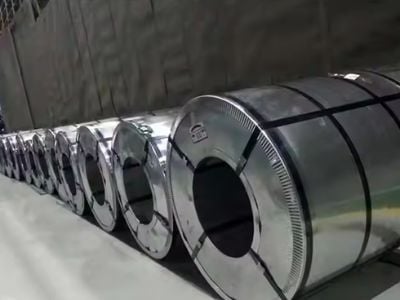
Coastal engineering projects often face tough conditions. The salty air, strong winds, and moisture can cause serious problems for materials. That’s where gi steel sheet come into play. GI stands for galvanized iron. ROGO produces these steel sheets, which are specially treated to resist rust and oxidation. This means they last longer and work better in places close to the ocean. When engineers choose materials for coastal projects, they look for something that can withstand harsh environments. ROGO's GI steel sheets are a smart choice because they protect structures and save money over time.
What Makes GI Steel Sheets Ideal for Coastal Engineering Projects?
GI steel sheets are amazing for coastal engineering projects for many reasons. First, they are strong and durable. This means they can hold up against heavy winds and waves. When building things like bridges, docks, or seawalls, it’s important to use materials that won’t break easily. ROGO’s GI steel sheets are made to be tough. They can handle the pressure from storms and the wear from salty air. Another reason they are great is their weight. They are lighter than some other materials, which makes them easier to transport and install. This can save time and money on a project.
Also, the surface of GI steel sheets is coated with zinc. This zinc layer helps protect the steel from rusting. This is super important near the coast, where the salty air can cause rust to form quickly. With ROGO's gi sheet, engineers can be confident that their projects will last longer without needing a lot of repairs. Additionally, these sheets can be cut and shaped easily, allowing engineers to create custom designs for any project. This flexibility is crucial when working on unique coastal structures. Lastly, GI steel sheets are cost-effective. While they might cost a bit more upfront, their long-lasting nature means less money spent on repairs in the future. So, using ROGO's GI steel sheets is a smart choice for any coastal engineering project.
How GI Steel Sheet Surface Oxidation Resistance Enhances Durability in Coastal Environments?
The resistance to oxidation is one of the biggest benefits of ROGO's GI steel sheets. Oxidation happens when metal reacts with oxygen and moisture, leading to rust. In coastal areas, this process can happen very quickly due to the high levels of salt in the air and water. ROGO’s GI steel sheets have a special coating that protects them from this harmful reaction. This coating acts like a shield, keeping moisture and air away from the metal underneath.
This means the steel stays strong and doesn’t break down over time. When engineers use these sheets, they know they are making a smart investment in the future. For instance, a seawall made from ROGO’s gi sheet metal can stand firm for many years, even in rough conditions. This is not only good for safety but also for saving money. When materials last longer, there’s less need for frequent repairs or replacements.
Furthermore, the oxidation resistance of these steel sheets helps maintain their appearance. No one wants to look at rusted metal on a beautiful coastal structure. With ROGO’s GI steel sheets, the surfaces can stay clean and attractive. This is important for public spaces, like piers and parks, where many people visit. In addition, if a project looks good, it can enhance community pride. In summary, ROGO's GI steel sheets provide excellent oxidation resistance, making them a reliable choice for coastal engineering projects. They ensure structures remain strong, safe, and visually appealing for years to come.
What Are the Benefits of Using GI Steel Sheets in Coastal Engineering?
GI steel sheets, which stand for Galvanized Iron steel sheets, are very useful in coastal engineering projects. One of the biggest benefits of using GI steel sheets is their ability to resist rust and corrosion. This is important because coastal areas often have salty air and water, which can damage regular steel. The galvanization process, which covers the steel with a layer of zinc, helps protect it from the harsh environment. When you use GI steel sheets, you can expect them to last longer than regular steel sheets. This means that engineers and builders can save money in the long run because they won’t have to replace them as often.
Another benefit of GI steel sheets is their strength. They are strong and can hold up well against strong winds and waves that are common in coastal areas. This strength makes them a great choice for building things like docks, bridges, and coastal walls. GI steel sheets can support heavy loads and help keep structures safe and secure. Additionally, these sheets are lightweight, which makes them easier to transport and install. This can save time and labor costs on construction projects. Finally, GI steel sheets are also cost-effective. They are usually less expensive than other materials that might be used in coastal engineering, which helps keep project costs down. At ROGO, we believe that using GI steel sheets is a smart choice for any coastal engineering project due to their durability, strength, and affordability.
Common Usage Issues with GI Steel Sheets in Coastal Projects and How to Avoid Them
While GI steel sheets have many benefits, there can also be some problems when using them in coastal projects. One common issue is that, even though the zinc coating protects the steel, it can wear off over time, especially in very salty or harsh conditions. When this happens, the underlying steel can start to rust. To avoid this problem, builders should regularly inspect the GI steel sheets and look for any signs of wear. If the zinc coating is damaged, it is important to repaint or re-coat the area to protect the steel underneath.
Another problem can occur during installation. If the GI steel sheets are scratched or damaged during transport or installation, this can expose the steel to the elements and lead to rust. To prevent this, it is essential to handle the sheets carefully and use proper tools during installation. Using protective coverings during transport can also help keep the sheets safe. Additionally, it is important to ensure that the sheets are installed correctly to prevent water from pooling on them. Standing water can promote rust, so good drainage is key.
Finally, the quality of the GI steel sheets can also be an issue. Sometimes, lower-quality sheets may not have a thick enough zinc coating, which makes them less durable. To avoid this problem, buyers should choose high-quality GI steel sheets from trusted suppliers, like ROGO. By paying attention to these common issues and following best practices, builders can ensure that GI steel sheets perform well in coastal projects.
What Should Buyers Know About the Longevity of GI Steel Sheets in Harsh Coastal Areas?
When buying GI steel sheets for coastal projects, it is crucial for buyers to understand how long these sheets will last, especially in harsh environments. GI steel sheets are designed to last a long time, but their lifespan can vary based on several factors. One important factor is the thickness of the zinc coating. A thicker coating will provide better protection against rust and corrosion, making the sheets last longer. When shopping for GI steel sheets, buyers should ask about the coating thickness and choose products that have a thicker layer for better durability.
Another factor that affects longevity is the environmental conditions. Coastal areas with high levels of salt and humidity can speed up the corrosion process. To combat this, regular maintenance is key. Buyers should know that even the best GI steel sheets will need some care. This can include cleaning the sheets regularly to remove salt and debris, as well as checking for any signs of wear or damage. At ROGO, we recommend creating a maintenance schedule to help keep GI steel sheets in good condition.
Finally, buyers should also consider the type of project and how the GI steel sheets will be used. For example, sheets used in areas with constant wave action or heavy storms may wear out faster than those used in more sheltered locations. Understanding the specific conditions of the project site can help buyers make informed choices about the type of GI steel sheets to purchase. By considering these factors, buyers can ensure they are making a wise investment in GI steel sheets that will last in coastal areas.
Table of Contents
- What Makes GI Steel Sheets Ideal for Coastal Engineering Projects?
- How GI Steel Sheet Surface Oxidation Resistance Enhances Durability in Coastal Environments?
- What Are the Benefits of Using GI Steel Sheets in Coastal Engineering?
- Common Usage Issues with GI Steel Sheets in Coastal Projects and How to Avoid Them
- What Should Buyers Know About the Longevity of GI Steel Sheets in Harsh Coastal Areas?