
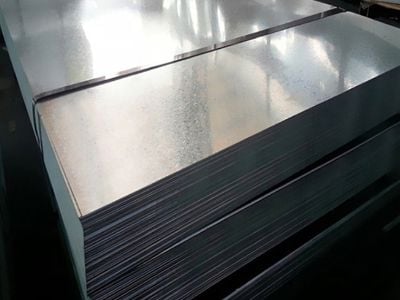
Sheet flatness is very important when making galvanized iron (GI) steel sheets. When we create these sheets, we want them to be smooth and even. If they are not flat, it can cause problems later on. For example, if the sheets are used in buildings or cars, any bumps or twists can make them weak or not fit right. This is why controlling sheet flatness deviation is key during the rolling process. At ROGO, we focus on making sure our steel sheets are as flat as possible. We use special tools and techniques to check and adjust the sheets while they are being made. This way, we can keep everything just right and make our customers happy
What is Sheet Flatness Deviation Control in GI Steel Sheet Rolling
When we talk about sheet flatness deviation control, we mean making sure the steel sheets stay flat while they are rolled out. The rolling process involves squeezing the steel through large machines called rollers. These rollers can sometimes cause the steel to bend or warp. To fix this, we have to keep a close eye on how the steel is being rolled. At ROGO, we use various methods to measure flatness during production. For example, laser measuring tools can check how flat the sheets are as they come out. If we see any problems, we can make adjustments right away. Sometimes, it helps to change the pressure on the rollers or the speed at which the sheets are pushed through. Staying aware of these details helps us keep the sheets flat and makes them much easier to use in the future. Flat sheets are more reliable, and that’s what we aim for at ROGO. It’s like baking a cake; if the ingredients are mixed well and baked evenly, the cake will come out perfect. The same goes for our GI steel sheets
Where to Find High-Quality GI Steel Sheets with Superior Flatness
If you are looking for high-quality GI steel sheets that are very flat, ROGO is a great choice. We take pride in our careful manufacturing processes. We make sure to check the flatness of every sheet we produce. But how can you tell if steel sheets are of good quality? One way is to look for reviews from other customers. Many people share their experiences online, and that can help you decide. Another tip is to ask the company about their quality checks. A good company will be happy to tell you about their methods. At ROGO, we believe in being open about how we make our products. It’s also a good idea to check if the company has certifications or awards. These show that they meet certain standards in making steel sheets. When you choose ROGO, you can trust that you are getting sheets that have been made with care. Our commitment to quality means that you won’t have to worry about flatness and can focus on your projects instead. Quality steel sheets are not just about looks; they help ensure the success of whatever you are building or creating
What Are the Benefits of Maintaining Flatness in GI Steel Sheet Production
Keeping galvanized steel sheet flat is very important for many reasons. First, flatness helps make sure that the sheets are easy to work with. When steel sheets are flat, they fit together better when used in buildings, cars, and appliances. This means that when companies buy sheets from ROGO, they can use them right away without having to fix any warps or bends. This saves time and money because workers can focus on building instead of fixing problems. Another benefit of having flat GI steel sheets is that they look better. Flat sheets are smoother and have a nice finish. This is especially important for items that will be seen by people, like car parts or home appliances. Buyers want their products to look good, and flat sheets help achieve that. Also, flat sheets can be painted or coated more evenly, which is important for protecting the steel from rust and other damage. Moreover, maintaining flatness in production helps improve the strength and durability of the steel sheets. When sheets are flat, they can handle weight and pressure better. This is important in construction and manufacturing, where strong materials are needed. ROGO focuses on keeping their GI steel sheets flat so that buyers can trust the quality of what they are getting. In summary, keeping GI steel sheets flat not only makes them easier to use and better looking but also makes them stronger and longer-lasting. This leads to happier customers and a better reputation for ROGO
How Flatness Deviation Affects the Quality of GI Steel Sheets for Wholesale Buyers
Flatness deviation means that the GI steel sheet manufacturers like ROGO are not perfectly flat. This can lead to several problems for wholesale buyers. If the sheets are not flat, they can create issues when trying to assemble them into products. For example, if a car manufacturer uses bent steel sheets, the parts may not fit together properly. This can lead to delays in production and increased costs as workers try to fix the issues. With ROGO's flat GI steel sheets, buyers do not have to worry about these problems. Another issue with flatness deviation is that it can affect the strength of the steel sheets. If a sheet is bent or warped, it might not be able to support as much weight as a flat sheet. This is particularly important in construction, where safety is a priority. Builders need to be sure that the materials they use are strong and reliable. If they buy sheets from ROGO that are flat, they can feel confident in the quality and safety of their projects. Additionally, flatness deviation can affect how the sheets are treated after production. If a sheet is not flat, it may not coat evenly with paint or other protective layers. This can lead to rust and damage over time, which is not what buyers want. By choosing flat GI steel sheets from ROGO, wholesale buyers can ensure that they are getting high-quality products that will last longer and look better. Flat sheets make it easier for buyers to sell their products and keep their customers happy
How to Identify and Resolve Flatness Issues in GI Steel Sheets
Identifying flatness issues in GI steel sheets is very important for maintaining quality. There are a few simple ways to check if the sheets are flat. One common method is to use a straightedge, which is a long, flat tool. By placing the straightedge on the sheet and looking for gaps, workers can see if the sheet is perfectly flat or if it has bumps or dips. This is a quick and easy way to spot problems. Another method is to use a laser level. This tool can help to find very small deviations that might not be visible to the naked eye. By shining the laser across the surface of the sheet, workers can see if there are any high or low spots. If they find these issues, they need to resolve them quickly to ensure the quality of the sheets. Once flatness issues are identified, it is crucial to fix them as soon as possible. One way to resolve these problems is through re-rolling the sheets. This means sending the sheets back through the rolling process to make them flat again. ROGO uses advanced technology and skilled workers to ensure that any flatness issues are taken care of effectively. Another way to fix flatness problems is to adjust the equipment used during production. Sometimes, the machines that roll the steel sheets need to be fine-tuned to make sure they are doing their job correctly. Regular maintenance and checks can help prevent flatness issues from happening in the first place. By focusing on identifying and resolving flatness issues, ROGO can provide high-quality GI steel sheets that meet the needs of their customers. This commitment to quality helps ROGO stand out as a reliable choice for buyers looking for the best steel products.