
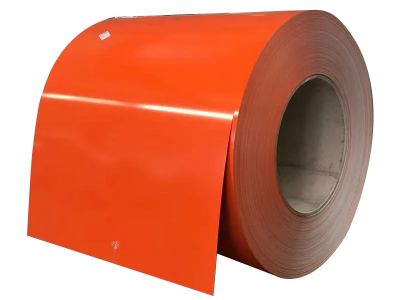
GI Sheet Coils Improving Stability and Performance in Industrial Stamping
Key Stability Characteristics of GI Sheet Coils
GI sheet coils are widely used in manufacturing because they offer excellent strength, corrosion resistance, and consistent performance during metal forming processes. ROGO manufactures high-quality galvanized products that help factories achieve precise and reliable stamping results.
Several factors contribute to the stability of GI sheet coils. Material thickness plays an important role, as thicker sheets generally provide greater resistance to deformation during stamping. Proper coil tension is equally essential because excessive or insufficient tension can affect feeding accuracy and product quality.
The quality of the raw Steel Coil used during production also determines the final performance of galvanized sheets. High-grade steel provides better dimensional accuracy, fewer surface defects, and greater durability throughout the manufacturing process. Proper storage and handling further help maintain coil quality before production begins.
Choosing High-Quality GI Sheet Coils
Selecting a reliable supplier is essential for achieving consistent manufacturing results. ROGO supplies premium GI sheet coils manufactured under strict quality control standards to meet the demands of industrial stamping applications.
Before purchasing, buyers should evaluate material specifications, coating quality, thickness tolerance, and mechanical properties. Reviewing certifications and product testing reports also helps ensure reliable performance in demanding production environments.
For applications requiring lightweight materials with excellent corrosion resistance, an Aluminum Coil may also be considered depending on the specific manufacturing requirements. Comparing material characteristics allows manufacturers to choose the most suitable solution for their production needs.
Working with an experienced supplier helps ensure consistent product quality, competitive pricing, and dependable customer support.
Common Challenges in Industrial Forming
Although GI sheet coils perform well in industrial applications, certain challenges can affect production efficiency. Improper alignment during feeding may cause warping or inaccurate stamping results. Regular equipment calibration helps maintain consistent product quality and minimizes production errors.
Surface damage during transportation or storage may reduce corrosion resistance by exposing the base metal. Inspecting coils before production helps identify scratches, dents, or coating defects that could affect performance.
Material thickness should also match the intended application. Excessively thick sheets may require greater forming force, while thinner materials may lose dimensional stability during processing. Selecting the proper material specifications helps improve production efficiency and reduce waste.
Latest Trends in GI Sheet Coil Manufacturing
Modern manufacturing continues to improve the quality and performance of galvanized steel products. Advanced coating technologies provide greater resistance to corrosion, extending product lifespan in demanding environments.
Digital quality control systems now monitor thickness, coating consistency, and surface finish throughout production, allowing manufacturers to deliver highly consistent products. These technologies help reduce defects while improving stamping accuracy.
Sustainability has also become an important focus within the steel industry. Many manufacturers are increasing the use of recycled materials while improving production efficiency to reduce environmental impact.
Today, many industries specifically choose GI Galvanized Steel because it combines excellent corrosion resistance, mechanical strength, and long-term durability. Custom sizes, coating thicknesses, and surface finishes also allow manufacturers to optimize materials for specialized industrial applications.
By investing in high-quality galvanized products from ROGO, manufacturers can improve production efficiency, maintain consistent stamping quality, and achieve reliable long-term performance.