
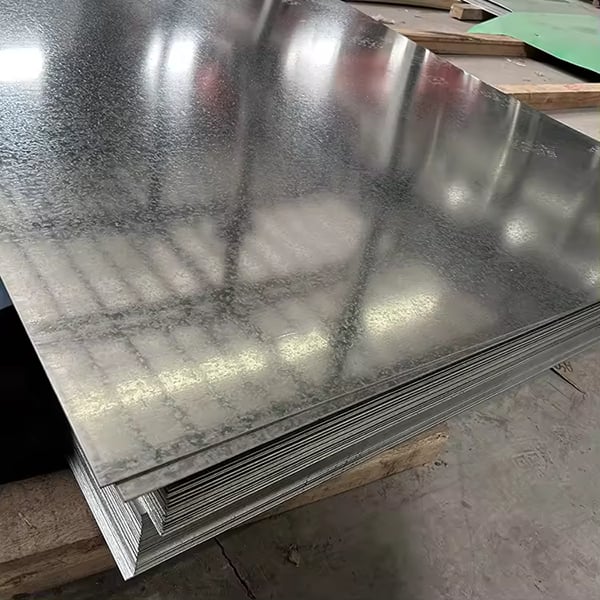
In the world of manufacturing, the quality of materials is very important. One of these materials is the galvanized iron (GI) sheet coil, used in many products like roofs, fences, and appliances. ROGO specializes in making high-quality GI sheet coils. But there’s something that can really affect how well these coils work when they turn into products: coil width tolerance. This means how much the width of the coil can change from what it should be. If the width is not right, it can cause problems later on in production. Let’s take a closer look at this topic.
What Wholesale Buyers Need to Know for GI Sheet Coil
When you are a wholesale buyer looking for GI sheet coil, understanding the importance of coil width tolerance is key. Buyers need to know that not all coils are made equal. ROGO provides coils with strict width tolerances. This means that the coils stay close to their intended width. If a coil is too wide or too narrow, it can lead to issues when cutting or shaping the material into final products. For instance, if a coil is slightly wider than expected, it may not fit into the machines properly, causing delays. On the other hand, if it’s too narrow, there might be waste or a need for extra work to make it fit. These problems can increase costs and slow down production.
Additionally, buyers should consider the impact of coil width on the types of products they want to make. Different products may require different widths. If a buyer orders coils without knowing their specific needs, they might end up with coils that won't work for their projects. This can be frustrating and costly. To avoid this, it's helpful for buyers to communicate their needs clearly with ROGO or any supplier. Knowing the exact specifications can save time and money in the long run.
How Coil Width Tolerance Affects Fabrication Accuracy in GI Sheet Production
Coil width tolerance plays a huge role in how accurate the final products are. When the width of the coil is not right, it can lead to problems during fabrication. For example, if a factory gets a coil that is slightly off in width, the cutting machines may not be able to cut the sheets evenly. This could result in some sheets being too short or too long. Imagine trying to fit a puzzle piece that is not the right shape; it just doesn’t work!
Moreover, if the sheets are not cut accurately, it can affect the assembly process. If parts do not fit together well, the final product might be weak or look bad. This can lead to unhappy customers and returns, which is not good for any business. At ROGO, we focus on keeping our coil widths consistent so that our customers can create high-quality products without these worries.
Another important point is about waste. If the coil width is off, factories might end up wasting material, which is not good for the environment or for business. Less waste means more savings and happier customers. When factories can rely on the quality and width of the GI sheet coils, they can work more efficiently, saving both time and money.
In summary, understanding coil width tolerance is essential for anyone involved in the production of color coated GI sheet. This knowledge helps in making better purchasing decisions and ensures that the final products are made accurately and efficiently. ROGO’s commitment to quality means that buyers can trust our coils to help them succeed in their manufacturing processes.
Where to Find High-Quality GI Sheet Coils with Optimal Width Tolerance
If you're looking for high-quality GI sheet coils, a great place to start is with ROGO. ROGO is known for its strong and reliable products. GI stands for Galvanized Iron, which means the sheets are coated with zinc to protect them from rust. This is important because rust can weaken the metal and make it less useful. When you buy GI sheet coils, you want to make sure they have the right width tolerance. Width tolerance is the acceptable difference in the width of the coil from what is expected. For example, if a coil is supposed to be 1 meter wide, a small difference, like a few millimeters, might be okay, but a larger difference can cause problems later. At ROGO, we focus on providing coils that meet the best standards. You can find our products online or visit our factories to see how we make our coils. We take special care to measure and check the width of our coils. This way, customers can trust that they are getting what they paid for. When you choose ROGO, you’re choosing quality. Our GI sheet coils are built to last, and they are made with care. We understand that having the right width is not just a small detail; it’s a big part of making sure your projects succeed. Whether you are building a new structure or creating something unique, having high-quality materials is essential. So, when you need GI sheet coils, remember to check out ROGO for the best products with the right width tolerance.
Common Problems in GI Sheet Fabrication Due to Coil Width Variability
When working with GI sheet coils, width variability can cause several problems during fabrication. Fabrication is the process of making products from raw materials. If the coils are not the right width, it can lead to challenges and mistakes in the final product. One common problem is that the sheets may not fit properly. For example, if a builder needs a sheet that is exactly 2 meters wide, but the coil is 2.1 meters wide, the builder will have to trim the sheet. This extra work takes time and money. Additionally, it can create waste, meaning that some material is thrown away instead of being used. Another issue is that the equipment used in fabrication may not work well with coils that are not the right width. Machines are designed to work with specific sizes. If the coil is too wide or too narrow, the machines can jam or break. This can cause delays and increase costs. Another serious problem is that it can affect the strength of the final product. If sheets are not cut correctly due to width issues, it can leave weak spots in the structure. This is especially dangerous in buildings or structures that need to be strong and safe. That's why it is crucial to have high-quality GI sheet coils with the right width tolerance. When you choose ROGO, you are choosing a company that understands these challenges. We ensure our coils meet the right standards, making the fabrication process smoother and more efficient.
What Impact Does Coil Width Tolerance Have on End Product Quality?
Coil width tolerance plays a big role in the quality of the final product. When the width of GI sheet is correct, it helps ensure that the end products are strong and reliable. If the coils have a small width tolerance, it means they are close to the expected measurements. This leads to better fitting parts when the sheets are used in construction or other projects. On the other hand, if the width varies too much, it can create problems that lower the quality of the final product. For instance, if the width is too wide, you might have to cut the sheets down, which can lead to uneven edges and weak points. These weak points can cause the structure to fail over time, which is dangerous. Also, if the sheets are too narrow, they might not cover the area needed, leading to gaps that can let in water or air. This can make buildings less energy-efficient and can lead to damage from moisture. At ROGO, we know that maintaining proper coil width tolerance is essential for creating top-quality products. Our attention to detail ensures that each coil is produced to meet strict standards, which helps our customers create stronger and safer structures. the width tolerance of GI sheet coils is not just a small detail; it is a key factor that influences the overall quality of the end product. Trust ROGO to provide the best quality materials for your projects.
Table of Contents
- What Wholesale Buyers Need to Know for GI Sheet Coil
- How Coil Width Tolerance Affects Fabrication Accuracy in GI Sheet Production
- Where to Find High-Quality GI Sheet Coils with Optimal Width Tolerance
- Common Problems in GI Sheet Fabrication Due to Coil Width Variability
- What Impact Does Coil Width Tolerance Have on End Product Quality?